Brighton and Biarritz have much in common: they are former fishing towns (mackerel for Brighton, whales for Biarritz); their growth depended much on royal patronage; they are successful tourist towns.

Brighton and Biarritz have much in common: they are former fishing towns (mackerel for Brighton, whales for Biarritz); their growth depended much on royal patronage; they are successful tourist towns.
« Mesdames et messieurs, nous venons FOILBORNE »
This was the triumphant announcement heard on 29 April 1979 in Brighton Marina. The English translation which followed might not have been much more enlightening:
“Ladies and gentlemen we are FOILBORNE”
The announcement was made on the first voyage of the Seajet hydrofoil service between Brighton and Dieppe. This was an exciting new adventure setting out from an exciting new marina. The high-speed vessel, the Normandy Princess, was underway.

Napoleon the Third was well established in Brighton from the mid-1850s and was there for nigh on one hundred years. That is to say, a beer seller, Arthur Hollingbrook at 13 Cheapside, decided to celebrate the coming of the second French Empire and its emperor by renaming his beer house as the ‘Napoleon the Third’.

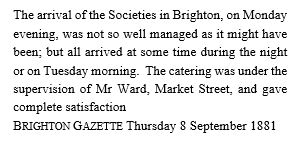
Just a year ago, in my blog about Brighton’s 1881 Music Festival, I stated: “A great part of the success of the Festival does seem to have been due to the excellent organisation by Chérifel de la Grave.”
Should I have been more alive to this newspaper report?
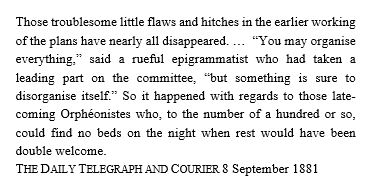
The national press went a little further in criticism of the practical arrangements of the Festival:
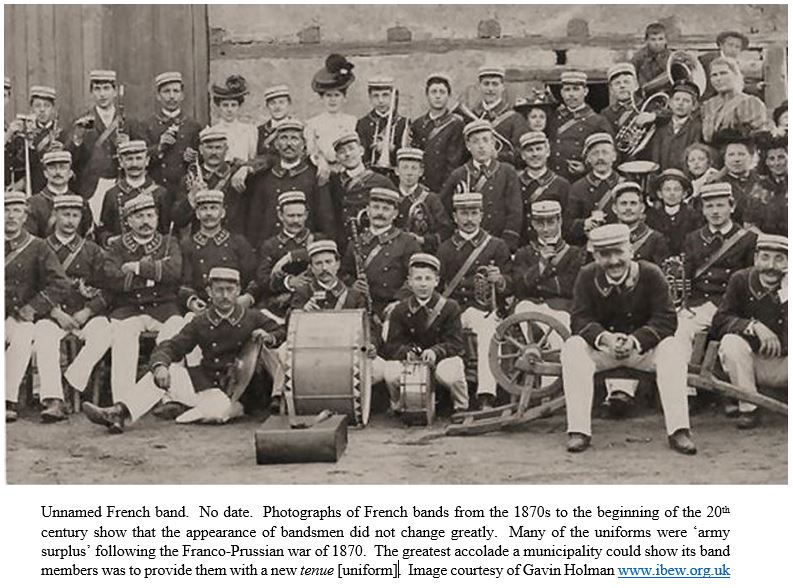
Were there flaws in the organisation? Well, the chief conductor of the participating Orphéon from Châlons-sur-Marne certainly thought so. His 50-page account of his band’s trip to Brighton is very revealing.
The Labour Party was in power. The Labour Party was in town. In Brighton, on 3 October 1966. All was not well in the state of Britain. The French newspapers did not hesitate to mention the fact: Prime Minister Harold Wilson was announcing a pay freeze; 750 strikers from car-plants in the Middlands (sic) had marched on Brighton and were shouting, according to Paris-presse, l’Intransigeant newspaper, at members of the cabinet:

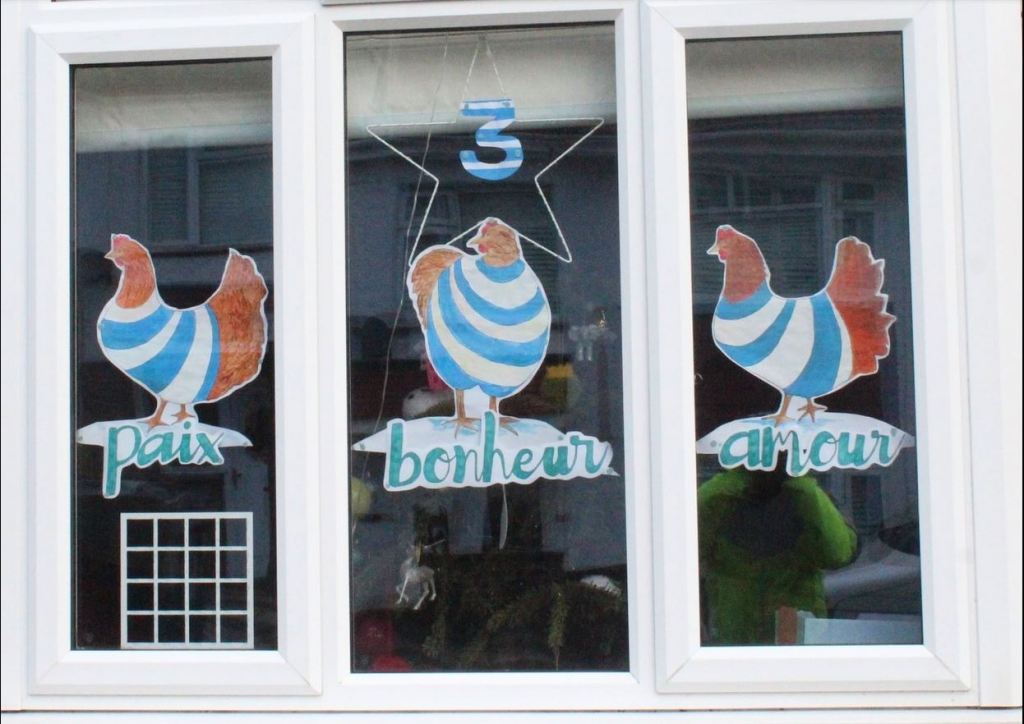
Many thanks to Jim Grozier (Francophile 1) for this photo taken in Hertford Road, Brighton. Many thanks to the residents (Francophiles 2 and 3) for their chirpy display. Apart from Bonne Santé, what more can we wish for 2021?

Summer 1910. Cycling was all the rage. The Tour de France was in its 10th year. An up-and-coming bicycle company suddenly appeared on the French scene amongst the dozens, if not hundreds, of similar tiny companies. It was called Cycles Brighton. It seems to have had a very short but vigorous lifespan.

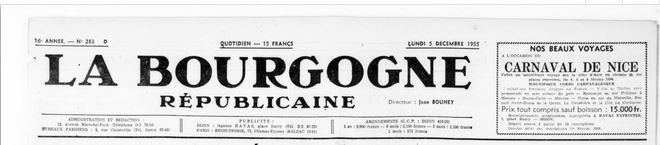
A landmark in the sporting history of Brighton was recorded in a French newspaper and can now be revealed for the first time in 65 years. On 5 December 1955, the regional weekly La Bourgogne Républicaine carried the news of what was probably a sporting world “first”.

On this day, exactly 193 years ago, a dapper 46-year-old Frenchman attended an elegant ball in the Assembly Rooms of the Old Ship Hotel, Brighton. What a splendid affair. The rooms had recently been redecorated by Frederick Crace following his successful work at the Royal Pavilion. The officers of the 52nd Infantry and the 7th Hussars were in their dress uniform (although the latter disgraced themselves by dancing while wearing their swords). The ladies were magnificent in their ballgowns and jewels. Even elderly Mrs Fitzherbert graced the event with her presence.
France is so near Brighton. Hundreds of Brightonians take the short hop across the channel in order to walk or cycle, usually in the French countryside. Sometimes in towns. However, at the turn of the 21st century, three Brightonians left a record of their visits in book form. Each one is fascinating in its own way. In order of publication:
Continue reading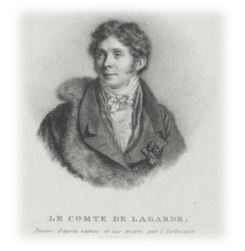
 French Brighton